Backflow Prevention in Portsmouth, NH
Stop the water in your pipes, hoses and tanks from sneaking backward toward the clean supply. A plumber Portsmouth NH surveys every link — sprinkler, boiler, hose, dishwasher — and matches the device to the hazard.
 (603) 857-1401Call to confirm availability
- Seacoast water customersPortsmouth, Newington, Rye
- Devices and assembliesFit, fix or swap
- Paperwork explainedDeadlines and reports
- Homes and businessesLawns, boilers, kitchens
- Water-safety mindedProtect the public supply
Where Backflow Becomes a Problem
Backflow prevention in Portsmouth, NH exists because water does not always travel the way you assume. A sudden pressure drop from a water main break or a heavy hydrant draw can pull used water backward, and whatever is hooked to your plumbing can ride along into the public supply.
The risks hide in everyday gear. A hose left sitting in a fertilizer bucket, a lawn sprinkler zone, the fill line on a boiler or a commercial dish machine can each tie clean water to something nobody would drink. A well-chosen device keeps the flow moving one way only.
Lawn and garden irrigation
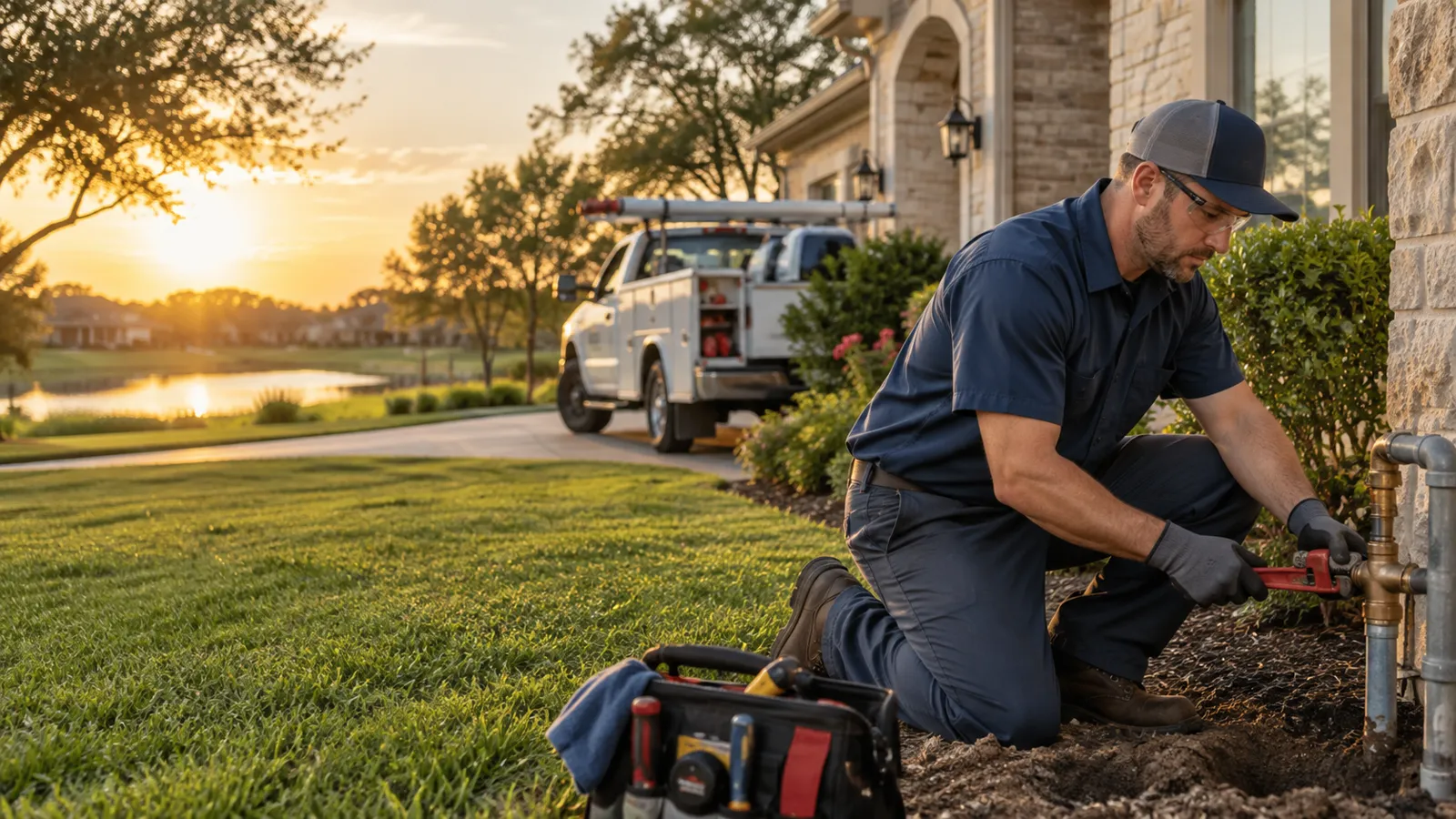
Sprinkler lines lie in soil, fertilizer and runoff, which makes them a textbook hazard. A device on the line protects your neighbors' taps along with your own.
Boilers and sealed heating loops
Heating systems carry treatment chemicals in the loop. A device at the fill connection keeps that water from siphoning into the drinking supply.
Restaurants and commercial kitchens
Dish machines, mop sinks and drink systems all tie into potable water, and many need assemblies matched to how dangerous the link could be.
Devices that no longer hold
Rubber seats wear, springs tire and a deep freeze can split a body. We repair or replace assemblies that stopped sealing.
Hose spigots and utility sinks
A simple vacuum breaker on a spigot stops a connected hose from drawing water backward, a cheap part with a serious job.
Cross-Connections, Testing and Paperwork
Cross-connections explained without jargon
A cross-connection is any physical tie between drinking water and a source that could spoil it. Backflow is what occurs when pressure changes push water across that link the wrong way. Back-siphonage follows a drop in supply pressure, while back-pressure arises when the far side pushes harder than the supply does.
Prevention means matching the device to the hazard. The state drinking water program lists air gaps, pressure vacuum breakers and double check valves as options for lower hazards, and limits the highest hazards to air gaps or reduced pressure assemblies.
Backflow testing in Portsmouth and what the state requires
State law requires a backflow device at any connection to a public water system when the facility could pose a hazard. The law calls for tests by individuals certified through a third party approved by the Department of Environmental Services. High-hazard facilities test twice a year, low-hazard facilities once a year, and irrigation systems annually during the operating season.
Ask any provider, us included, to show current tester certification before work starts. The Portsmouth Water Division lists a backflow testing and cross-connection program among its services, so a call to the division reveals how your account is tracked.
A test is a short, measured procedure. The tester attaches gauges, closes the shutoffs in sequence and watches how each internal check valve holds pressure. Access and corrosion decide how smoothly it goes, which is another reason to leave working room around the assembly. Fresh gauges and clean fittings also make the readings easier to trust.
Local rules for Portsmouth, Dover and the region
Portsmouth's ordinance requires a city-approved backflow preventer behind an irrigation meter. The regional water system also serves Pease, Newington, New Castle, Greenland and parts of Rye, so a business at the Tradeport and a house on Atlantic Heights may be under the same utility.
Dover runs its own program under city code. Owners there install devices when the superintendent requires them, use testers certified through the New England Water Works Association program, and must repair a failed device within thirty days. Dover also permits testing by city staff during business hours.
Newington sits on the same regional system. Businesses along the Newington commercial corridor and at the Tradeport often carry several protected connections, from kitchen equipment to fire lines, and each may have its own test date. Ask any plumber Portsmouth NH, us included, to show current tester certification before work starts.
Reading your test report
A test report names the device type, serial number and location, lists the pressure readings taken across each check and the relief valve, and records pass or fail. Hold on to every report. Your utility might request copies, and a failed result usually arrives with a repair deadline.
A failed device is not cause for panic. A small repair kit often cures a worn seat, and the assembly gets retested afterward. A new unit becomes the smarter buy when the body is cracked, corroded or mismatched to your hazard level.
Backflow preventer installation: planning matters
Backflow preventer installation in Portsmouth calls for more than bolting a valve to a pipe. The assembly needs elbow room for testing, correct height above the floor or grade, a drain for relief discharge and, outdoors, protection from winter. Many municipal rules also call for an approved model and a permit, so we confirm requirements before ordering parts.
Winter, shutdown and spring startup
Irrigation lines in New Hampshire need draining before the hard freezes arrive, and the assembly on the line is the part most likely to crack. Outdoor devices should be shut off, drained and, where the manufacturer allows, removed or insulated for the season.
Spring brings its own checklist. Open valves slowly, check for weeping at the relief port and book the annual test before the first mowing. A device that failed quietly over winter is far easier to fix in April than in August.
Buying or selling a property with irrigation
Inspectors do not always examine the irrigation backflow device. If a property changing hands includes a sprinkler system, ask for the most recent test report and note when the next test falls due. A missing report tends to mean a test is overdue.
How We Approach Backflow Work
The aim is a device that passes, protects and stays accessible.
Hazard before hardware
We learn what each connection touches before picking a device.
Placement that works
We check height, drain path and access so future testing stays practical.
Records kept straight
We help you file reports and mark when the next test falls due.
Winter planned in
Outdoor assemblies get a freeze plan before the first hard cold.
Plain-spoken answers
You hear what the device does and why your system needs it.
Backflow Prevention in Portsmouth, NH and Neighboring Towns
Homes with sprinklers, shoreline properties and commercial buildings all fall under water-supply protection rules. Phone to confirm timing and local requirements.
Portsmouth locations
- Downtown
- Pease Tradeport
- Islington Street
- South End
- West End
- ZIP 03801
Neighboring water customers
- Newington
- Rye
- Dover
- New Castle
- Greenland
From Hazard Survey to Passing Result
Describe the setup
Name the irrigation, boiler, kitchen or hose connection involved.
Survey each link
We trace every connection and rate how risky it is.
Select the assembly
Device type follows the hazard, local rules and available space.
Install and coordinate
We set the device in place and arrange the required test.
File the paperwork
You get guidance on keeping reports and booking retests.
Backflow Questions We Field
Does a typical house need a backflow device?
If you have sprinklers, a boiler fill or a private water source, probably. Plain homes rely on built-in protection at hose spigots. Ask your water utility what it requires at your address.
How often must a device be tested?
State law sets yearly testing for low-hazard devices, twice yearly for high-hazard ones and a yearly test during the operating season for irrigation. Some utilities add their own schedules.
Who is allowed to perform the test?
Testers must be certified by a third party the state has approved. Request proof of current certification from anyone you hire, and keep your copy of the report.
Can the assembly go indoors?
Often, and inside walls keep it from freezing. It still needs working room for testing and a drain for relief discharge, so measure before you buy.
What if the device fails its test?
You normally get a deadline to repair or replace it, then retest. Worn seats and springs are frequent causes. Ignoring the notice can put water service at risk.
Do restaurants and shops need different devices?
Frequently. Dish machines and boilers may need stronger protection than a lawn sprinkler, and the hazard at each connection settles the choice.
Helpful Plumbing Guides
Protect the water everyone shares
Call to talk through backflow prevention in Portsmouth, NH for your sprinklers, boiler or kitchen equipment.
Call (603) 857-1401Tell us about your connection
Describe the equipment, mention any utility notice and give us a number that gets answered. Protect the water everyone shares — call a plumber Portsmouth NH.
- (603) 857-1401
- info@portsmouthnhplumber.com
- 174 Commerce Way #200, Portsmouth, NH 03801